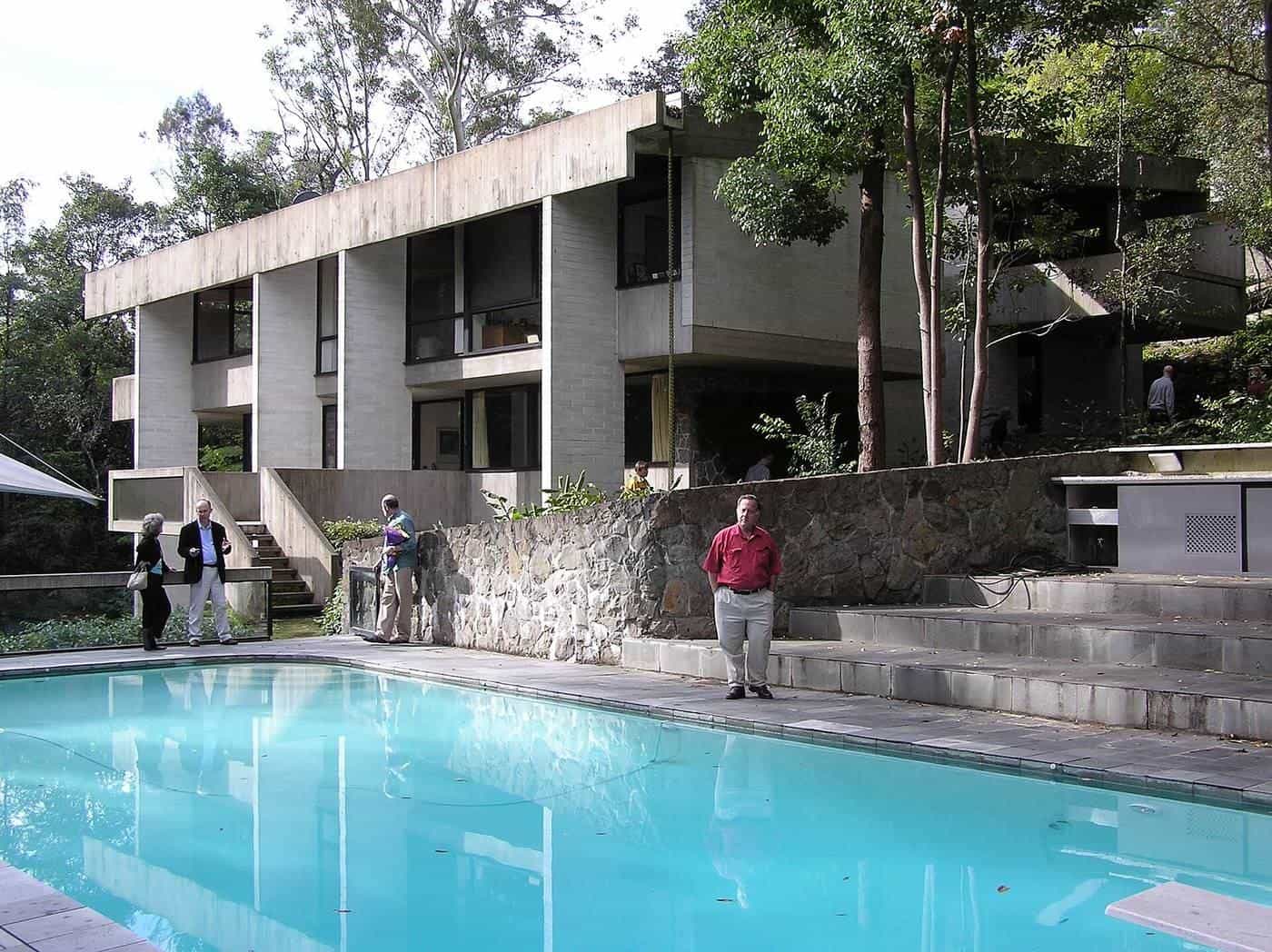
A backyard pool is one of the great pleasures of Australian life. It's also a serious responsibility, especially for families with young children and for anyone who has children visiting. Royal Life Saving Society Australia's research shows that young children are at particular risk of drowning, and that home pools are a common location.
This section brings together the essentials of home pool safety: the barrier rules that apply around Australia, the registration and certificate schemes in each state, practical habits for supervising children, and the first aid skills every pool owner should have. Each guide links to official state and national sources, because the rules differ between jurisdictions and change over time.
Guides in this section
- Pool fencing rules Which pools need a barrier, height, gaps, non-climbable zones, gates and latches, doors and windows, materials and monthly checks.
- Pool rules by state Registers, barrier certificates, inspections, selling and leasing rules in NSW, Victoria, Queensland, WA, SA, Tasmania, the ACT and the NT.
- Keeping kids safe around pools Active supervision, Keep Watch, water awareness, parties and visitors, paddling pools, spas and equipment safety.
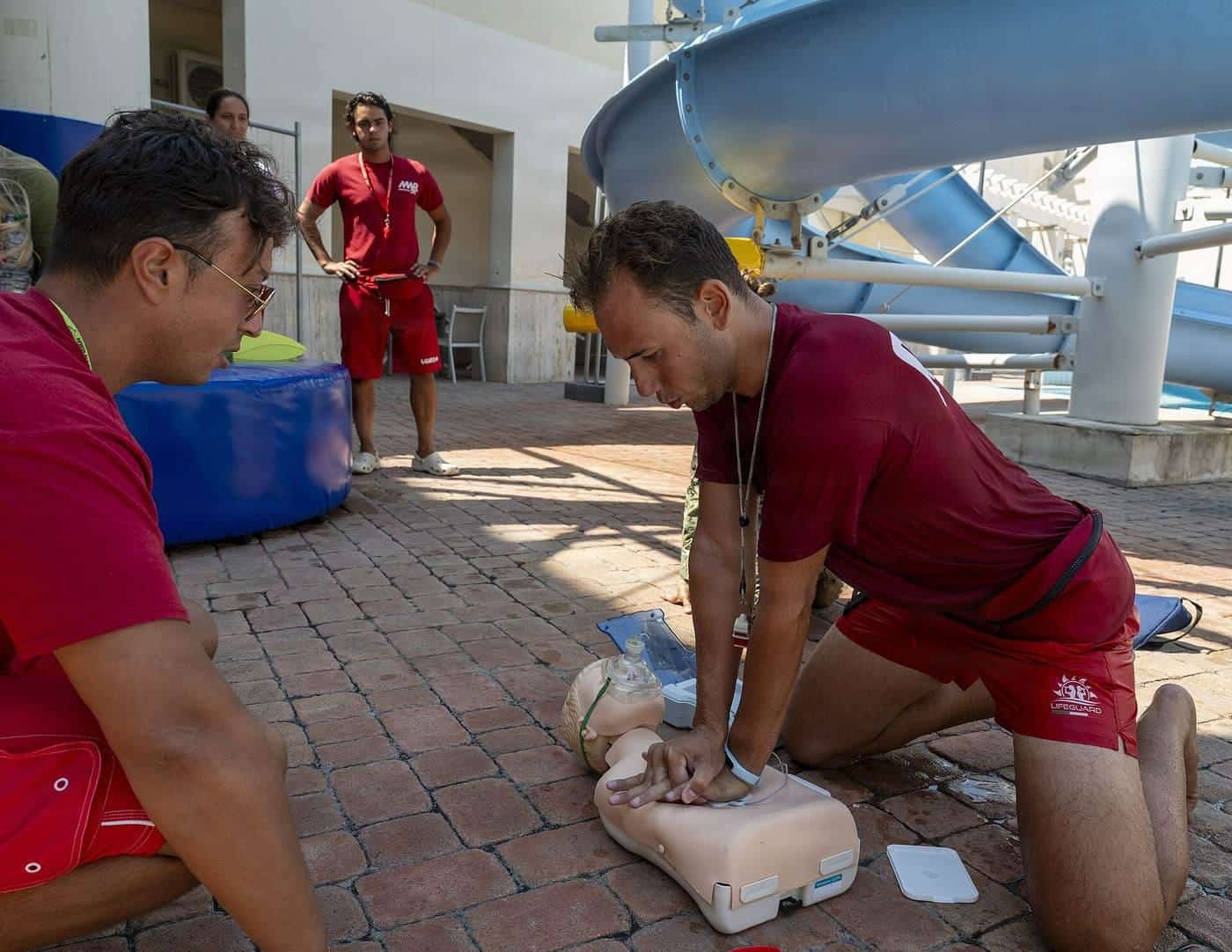
- CPR and first aid for pool owners The DRSABCD action plan, CPR basics, calling Triple Zero, CPR signs, first aid kits, training and chemical first aid.
Layers of protection
Water safety experts talk about layers of protection. No single measure is perfect, so several work together.
1. Active supervision
Nothing replaces an adult actively watching children whenever they're in, on or around water. For toddlers and weak swimmers, stay within arm's reach. Put your phone away and hand over supervision clearly if you need to leave.
2. A compliant barrier
A properly installed and maintained barrier stops children reaching the water when supervision lapses. In most of Australia, pools and spas that can hold more than 300 mm of water need one, built to AS 1926.1 and your state's rules. Gates must self-close and self-latch.
3. Water awareness
Swimming lessons and water familiarisation help children learn skills and rules, but they don't make young children safe on their own.
4. Emergency skills
Adults who know CPR and have a plan can make a life-saving difference while waiting for paramedics. Learn CPR from an accredited provider and keep your skills current.
300 mm
Barrier trigger
Common water depth threshold
1.2 m
Minimum barrier height
AS 1926.1
30:2
CPR ratio
ANZCOR guidelines
Your responsibilities as a pool owner
Depending on your state, you may need to:
- register your pool or spa;
- maintain a compliant barrier at all times;
- arrange inspections or lodge certificates at set intervals;
- provide a compliance certificate when selling or leasing;
- display a CPR sign.
Our pool rules by state guide summarises these obligations and links to the official sources. If you're unsure, your local council is a good first contact.
Common hazards around the home
Beyond the pool itself, watch for:
- spas without locked covers;
- inflatable and paddling pools left filled;
- buckets, eskies and containers that collect water;
- ponds, water features and unsecured tanks;
- pool chemicals stored within reach of children.
Holidays, parties and visitors
Most of the year, routines keep everyone safe. Risks increase when routines change: holidays, parties, visitors and renovations. Appoint a designated water watcher at gatherings, brief visitors about the pool gate, and keep temporary fencing in place during any work on the pool or barrier.
Renters and buyers
If you rent a home with a pool, report broken gates or fences to your landlord or agent immediately. If you're buying, ask your conveyancer about pool compliance documents before you sign. In several states, sellers and landlords must provide compliance certificates.
Where to get help
- Your local council for pool registration, barrier rules and inspections in many states.
- Your state building regulator for official guidance and checklists.
- A licensed pool safety inspector or certifier for barrier inspections and certificates.
- Royal Life Saving Society Australia for Keep Watch resources and water safety programs.
- An accredited training provider for CPR and first aid courses.
Common mistakes
- Relying on the fence instead of active supervision.
- Propping the gate open, even for a moment.
- Leaving pot plants, chairs or barbecues near the fence.
- Letting CPR training lapse.
- Assuming portable pools don't need barriers.
Quick checklist for new owners
- Find out your state's registration and certificate rules.
- Inspect your barrier and fix any gaps or faulty latches.
- Display a current CPR sign.
- Book a CPR course for the adults in your home.
- Agree on household rules for swimming and supervision.
Key points
Keep children safe with layers of protection: active supervision, a compliant barrier, water awareness and CPR skills. Pools and spas that can hold more than 300 mm of water generally need a barrier at least 1.2 metres high with self-closing, self-latching gates. State rules on registration, inspections, certificates and CPR signs vary, so check yours. Check your barrier monthly and learn CPR.
Guides in this section
Pool safety
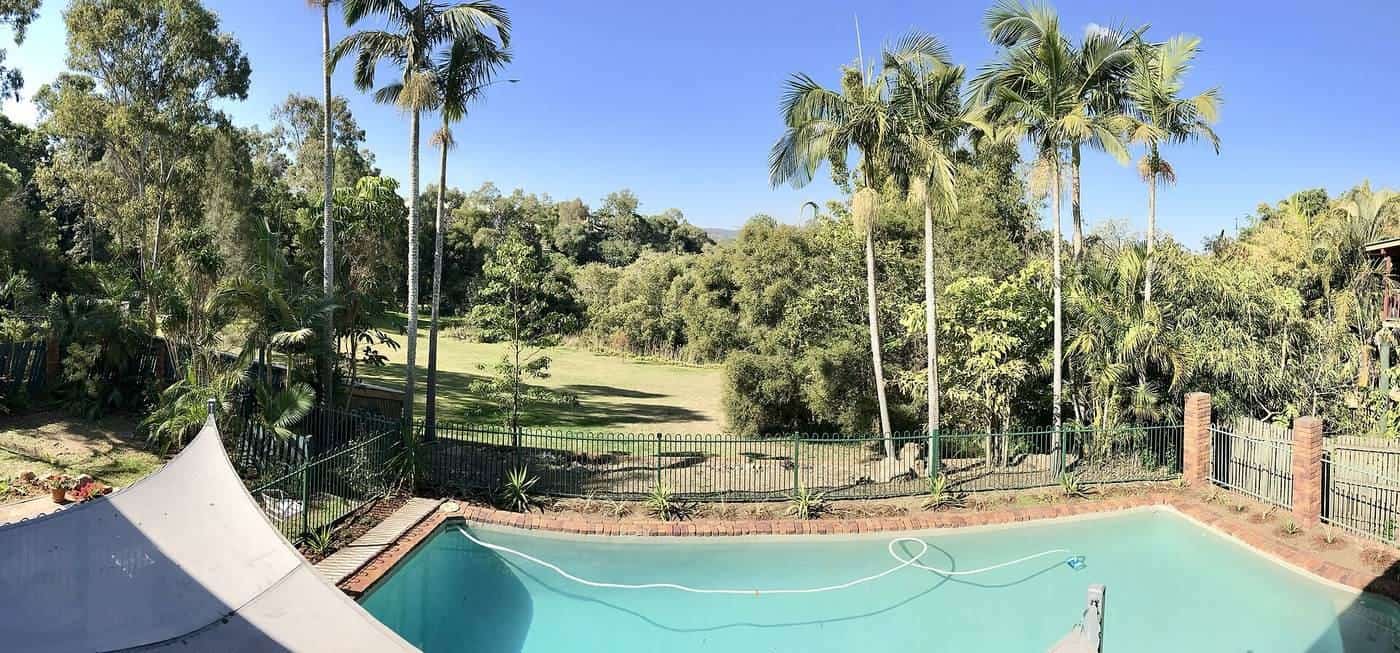
Pool fencing rules in Australia, explained
Australian pool fencing basics: which pools and spas need a barrier, fence height, gaps, gates and latches, non-climbable zones, and how state rules apply.
Read · 5 min
Pool safety
Pool safety rules by state and territory
An overview of home pool safety schemes in each Australian state and territory: registers, barrier certificates, inspections, selling and renting.
Read · 5 min
Pool safety
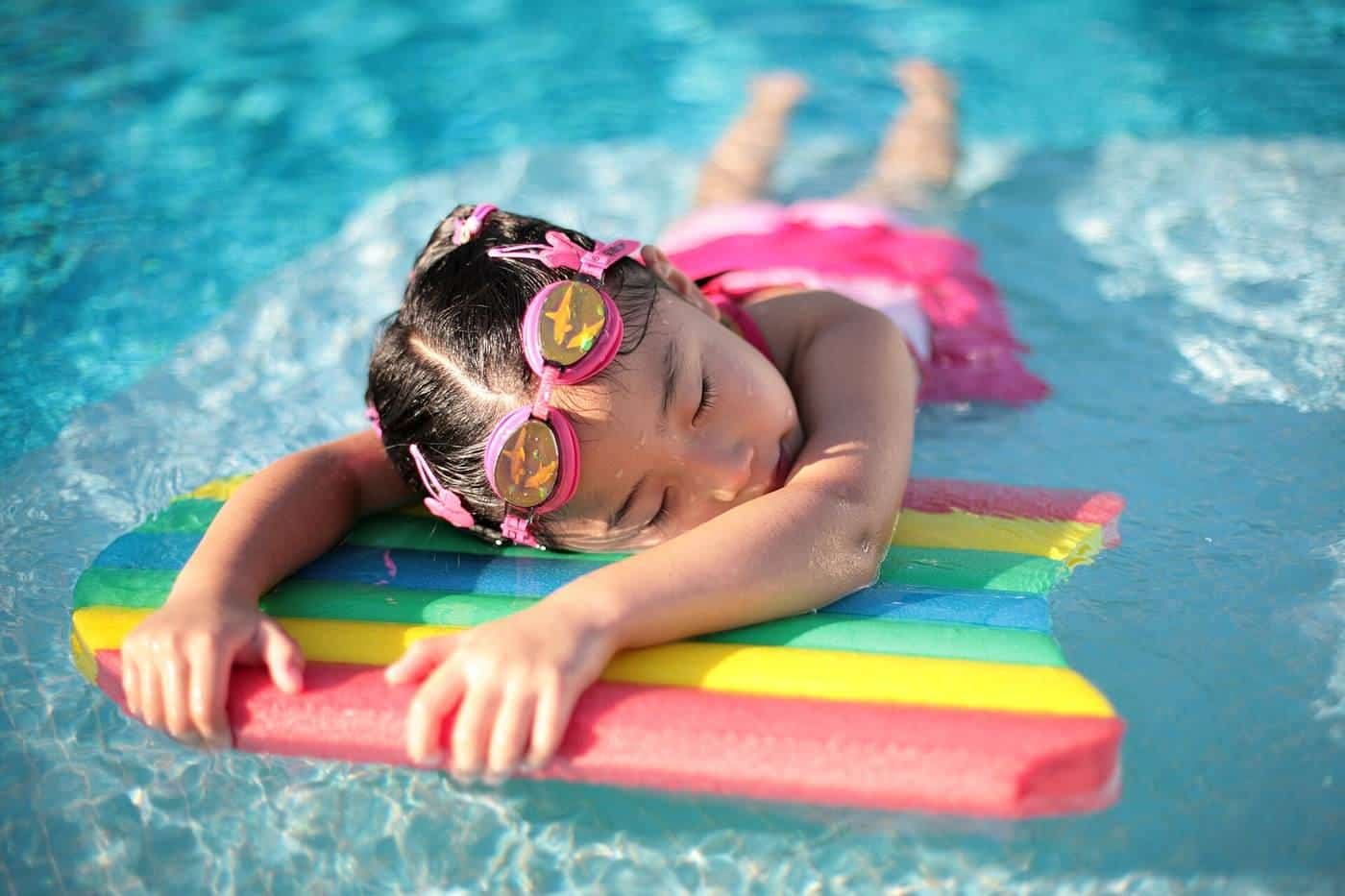
Keeping kids safe around home pools
Practical home pool safety for families: active supervision, Royal Life Saving's Keep Watch actions, barriers, water awareness, parties and inflatable pools.
Read · 5 min
Pool safety
CPR, first aid and CPR signs for pool owners
What every pool owner should know about CPR: the DRSABCD action plan, calling Triple Zero, CPR signs, first aid kits, training and pool chemical safety.
Read · 5 min
Frequently asked questions
What are the most important pool safety measures?
Active adult supervision of children around water, a compliant pool barrier with a self-closing and self-latching gate, water awareness for children, and adults trained in CPR. These match the four actions of Royal Life Saving's Keep Watch program.
Which pools need a barrier?
Generally, pools and spas that can hold more than 300 mm of water, including many portable and inflatable pools. Check your state rules.
Do I need to register my pool?
In some states. NSW, Victoria and Queensland, for example, require pools to be registered. Check your state regulator.
Is a CPR sign required?
Several states, including NSW and Queensland, require one for home pools. Even where it's not required, a current CPR sign is a useful reminder.
Where can I learn CPR?
From a registered training organisation offering a nationally recognised CPR or first aid course.
Sources and further reading
Facts on this page were checked against these primary and official sources. Conditions change — confirm before you travel or buy.
- Keep Watch — Royal Life Saving Society Australia
- Swimming pools — NSW Government
- Swimming pools and spas — Victorian Building Authority
- Pool safety — QBCC
- ANZCOR guidelines — ANZCOR