A backyard pool brings years of fun, exercise and summer memories. It also brings responsibility. Royal Life Saving Society Australia's research consistently shows that young children, particularly toddlers, are at high risk of drowning, and that home swimming pools are a common location. Drowning often happens quickly and quietly, without splashing or calling for help, during a brief lapse in supervision.
The good news is that most of these tragedies are preventable. Water safety experts recommend layers of protection, so that if one layer fails, another is there. This guide explains those layers for families with a home pool, drawing on Royal Life Saving's Keep Watch program and state government advice. It is general information and not a substitute for formal first aid training.
Keep Watch: four actions
Royal Life Saving's Keep Watch program promotes four key actions for preventing drowning in young children:
- Supervise. Actively supervise children around water at all times.
- Restrict. Restrict access to water with compliant barriers and closed gates.
- Water awareness. Familiarise children with water and teach water safety skills.
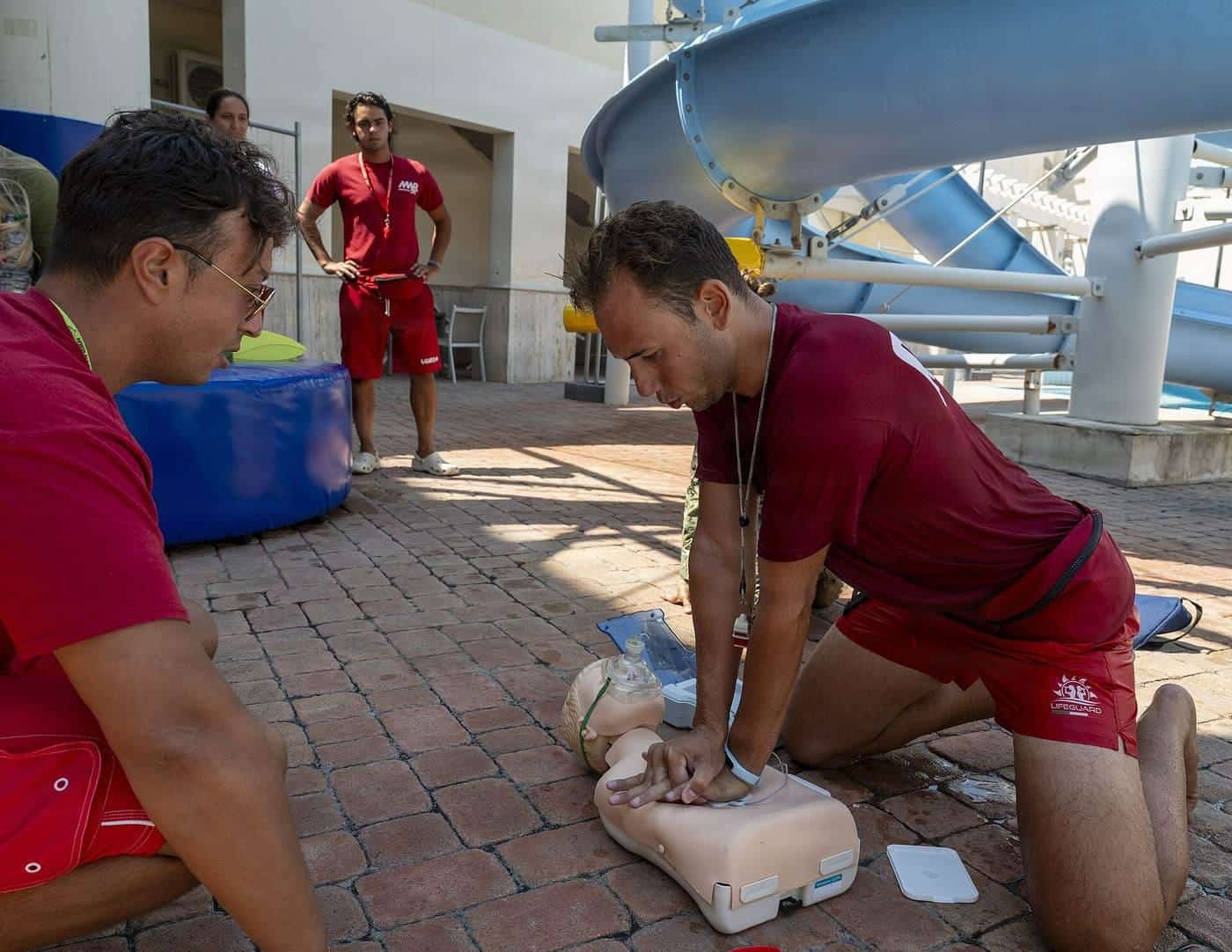
- Resuscitate. Learn CPR and keep your skills up to date.
4
Keep Watch actions
Supervise, restrict, awareness, resuscitate
Arm's reach
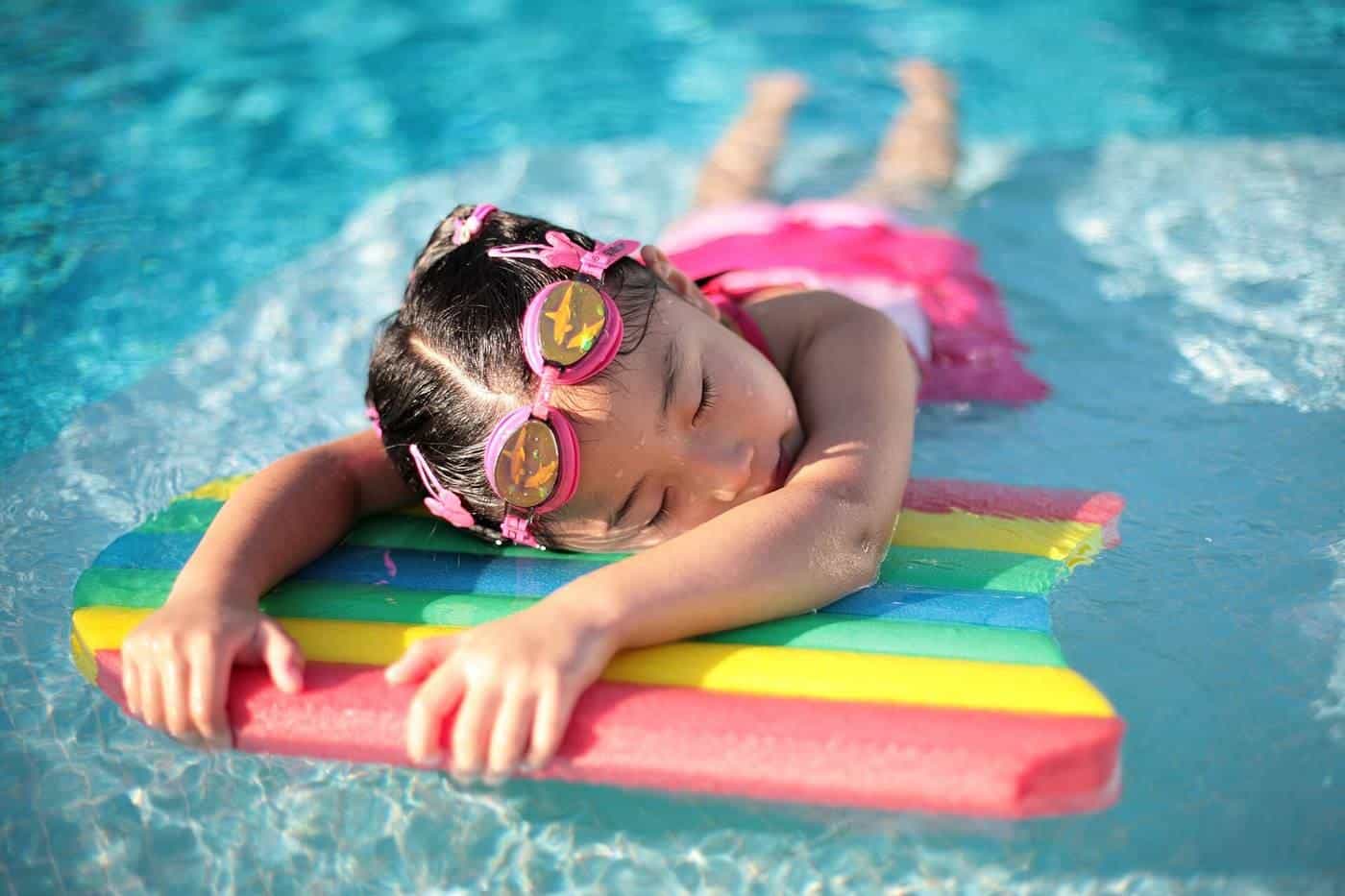
Toddlers in water
Stay close enough to touch
000
Emergency number
Call Triple Zero in an emergency
Active supervision
Active supervision is the most important layer. Royal Life Saving describes it as focusing all of your attention on children all of the time when they are in, on or around water. In practice:
- Stay within arm's reach of toddlers and weak swimmers in the water.
- Put your phone away. Messages, social media and calls are common distractions.
- Don't leave older children in charge of younger ones. Supervision is an adult's job.
- Hand over clearly if you need to leave. Say "you're watching the kids now" and get a clear answer.
- Avoid alcohol if you're the supervising adult.
Restricting access
A compliant pool barrier stops young children reaching the water when they are not supervised. Our pool fencing guide explains the requirements. Day to day:
- keep the pool gate closed and never prop it open;
- check the gate self-closes and self-latches every time;
- keep chairs, toys, barbecues and pot plants away from the fence;
- secure doors and windows that lead to the pool area;
- lock away pool chemicals, separately from the pool area.
Water awareness and swimming lessons
Water familiarisation and swimming lessons help children become confident and capable in the water, and they learn rules such as asking an adult before going near water. But lessons don't make young children "drown-proof". Even confident swimmers can get into trouble, so supervision and barriers remain essential.
Talk to children about pool rules, for example:
- only swim when an adult is watching;
- walk, don't run, on the pool deck;
- no pushing or rough play near the water;
- never go through the pool gate alone.
Parties and visitors
Busy gatherings can be risky because everyone assumes someone else is watching. Plan ahead:
- Appoint a designated water watcher and swap every 15 to 30 minutes so they stay alert. Some families use a lanyard or tag to show who's on duty.
- Close the pool area when swimming time ends.
- Brief visiting parents and grandparents about pool rules and the gate.
- Check the pool first if a child goes missing. Seconds count.
Paddling pools, inflatables and spas
- Paddling pools: young children can drown in very shallow water. Supervise closely and empty paddling pools after every use, then store them so they can't collect rainwater.
- Inflatable and portable pools: Product Safety Australia warns that portable pools pose a drowning risk, and local laws may require a barrier if a pool can hold more than 300 mm of water. Remove ladders when not in use.
- Spas: keep spas covered and locked when not in use. Spas holding more than 300 mm of water are generally regulated like pools.
Around the yard
Pools aren't the only hazard. Check for other water that could pose a risk to toddlers:
- buckets, eskies and containers that collect water;
- ponds and water features;
- rainwater tanks with unsecured openings;
- bathtubs (never leave young children alone in the bath).
Older children and teenagers
Supervision needs change as children grow, but risks remain. Teach older children not to swim alone, to avoid diving into shallow water, to stay away from drains and suction outlets, and to avoid rough play. Make sure teenagers know how to call for help and, when old enough, encourage them to learn CPR.
Pool equipment safety
- Suction outlets: make sure drain covers are in place and in good condition, and keep children away from suction points.
- Pool covers: some covers can trap a child. Remove a cover fully before swimming and follow the manufacturer's safety instructions.
- Chemicals: store pool chemicals in their original containers, out of reach, and away from each other where the label says so.
Family pool safety checklist
0 of 10 done
Ticks are saved in this browser only.
A quick home safety audit
Walk around your property with a child's eye view and check:
- The pool gate closes and latches by itself from any open position, and the latch is out of reach.
- The fence has no gaps, loose panels or damage, and nothing climbable sits within the non-climbable zone.
- Doors and windows that open into the pool area meet your state's rules.
- The spa cover is locked in place when not in use.
- Paddling pools, buckets and eskies are empty and stored upside down.
- Pool toys are out of the water and away from the fence, so they don't tempt children.
- Chemicals are locked away.
- A CPR sign is displayed and readable.
Repeat the audit monthly and whenever your routine changes, such as during holidays or renovations.
Common mistakes
- Relying on older children to watch toddlers.
- Assuming swimming lessons make young children safe.
- Propping the pool gate open, even briefly.
Key points
Young children are at high risk around home pools, and drowning can happen quickly and silently. Follow Royal Life Saving's Keep Watch actions: actively supervise, restrict access with a compliant barrier, build water awareness and learn CPR. Appoint a water watcher at gatherings, empty paddling pools after use, secure spas and chemicals, and always check the water first if a child goes missing.
Related guides
Read pool fencing rules, CPR and first aid for pool owners and pool rules by state.
Frequently asked questions
What is Keep Watch?
Keep Watch is Royal Life Saving Society Australia's drowning prevention program for young children. It promotes four actions - supervise, restrict access, water awareness and resuscitation.
What does active supervision mean?
Royal Life Saving describes active supervision as focusing all your attention on your child all of the time when they are in, on or around water, staying within arm's reach of young children, and not being distracted by phones or other tasks.
Are swimming lessons enough to keep my child safe?
No. Water awareness and swimming lessons are valuable, but they don't make a young child safe around water. Active adult supervision and a compliant barrier are still essential.
Do inflatable and paddling pools need supervision?
Yes. Young children can drown in very shallow water. Empty paddling pools after every use, and remember that portable pools holding more than 300 mm of water may need a compliant barrier.
Should I learn CPR?
Yes. Royal Life Saving encourages parents and carers to learn CPR and keep their skills current. Learn from an accredited first aid provider.
Sources and further reading
Facts on this page were checked against these primary and official sources. Conditions change — confirm before you travel or buy.
- Keep Watch — Royal Life Saving Society Australia
- National Drowning Report — Royal Life Saving Society Australia
- Portable swimming pools — Product Safety Australia
- Water safety for children — Raising Children Network
- Swimming pools — NSW Government