Walk into any pool shop in Australia and you'll be asked: salt or chlorine? Saltwater pools have become hugely popular, with many people choosing them for the softer feel of the water and the convenience of not handling chlorine as often. But there are plenty of myths. The biggest is that salt pools are "chlorine-free". They aren't.
This guide explains how saltwater chlorination works, how it compares with manually chlorinated pools, what mineral and magnesium systems are, and what each means for maintenance, equipment and the environment.
How a saltwater chlorinator works
According to Wikipedia, salt water chlorination uses electrolysis to produce chlorine from dissolved salt (sodium chloride). Water passes through a cell containing electrically charged plates. The electrical current converts some of the salt into chlorine compounds, which sanitise the pool. Over time, the chlorine reverts back to salt, so the salt is largely recycled, although it's lost through splash-out, backwashing and draining.
So a salt pool is a chlorine pool, with the chlorine made on site rather than added from a container.
Chlorine
Sanitiser in salt pools
Generated from salt by electrolysis
Fraction
Of seawater salinity
Salt pools are far less salty
pH rise
Common in salt pools
Acid is often needed
Salt level
Salt pools are much less salty than the sea. Wikipedia's article notes that salt pools typically contain a small fraction of the salt in seawater. Your chlorinator manufacturer specifies the right salt level for its cell. Too little salt and the cell can't make enough chlorine; too much can affect equipment and surrounds.
Comparing salt and manual chlorine
| Factor | Saltwater chlorinator | Manual chlorine |
|---|---|---|
| How chlorine is added | Generated continuously from salt | Added as liquid, granules or tablets |
| Feel of water | Often described as softer | Depends on balance and chloramines |
| Handling chemicals | Less chlorine handling, but acid still needed | Regular chlorine handling |
| Upfront cost | Chlorinator and cell | Lower equipment cost |
| Ongoing costs | Salt, electricity, cell replacement | Chlorine products |
| Typical issues | Rising pH, scaling on the cell, corrosion | Chloramines if under-dosed, storage of chemicals |
| Maintenance | Test, adjust pH, clean cell, check salt | Test, dose chlorine, adjust pH |
Maintenance for salt pools
- Test regularly. You still need to test chlorine and pH, and check salt levels periodically.
- Manage pH. Salt chlorination tends to push pH up, so many owners add acid regularly. Follow the product label and handle acid with care.
- Clean the cell. Calcium scale can build up on cell plates and reduce output. Many cells self-clean by reversing polarity, but some need manual cleaning as the manufacturer directs.
- Replace the cell when it reaches the end of its life, which depends on use and care.
- Adjust output for the season. You'll generally need more chlorine production in summer.
Mineral and magnesium pools
Some systems use a blend of minerals, such as magnesium and potassium salts, instead of or alongside common salt. They still use a chlorinator to generate a sanitiser. Owners often choose them for the feel of the water. Check claims carefully, and choose equipment compatible with your pool and the mineral blend.
Other sanitising options
- Ozone and UV systems can reduce the amount of chlorine needed, but usually still require some residual sanitiser in the water.
- Ionisers release metal ions such as copper and silver. They are typically used with a reduced level of chlorine, and metals can cause staining if not managed.
Whatever you choose, keep a residual sanitiser in the water to protect swimmers between treatments.
Corrosion and surrounds
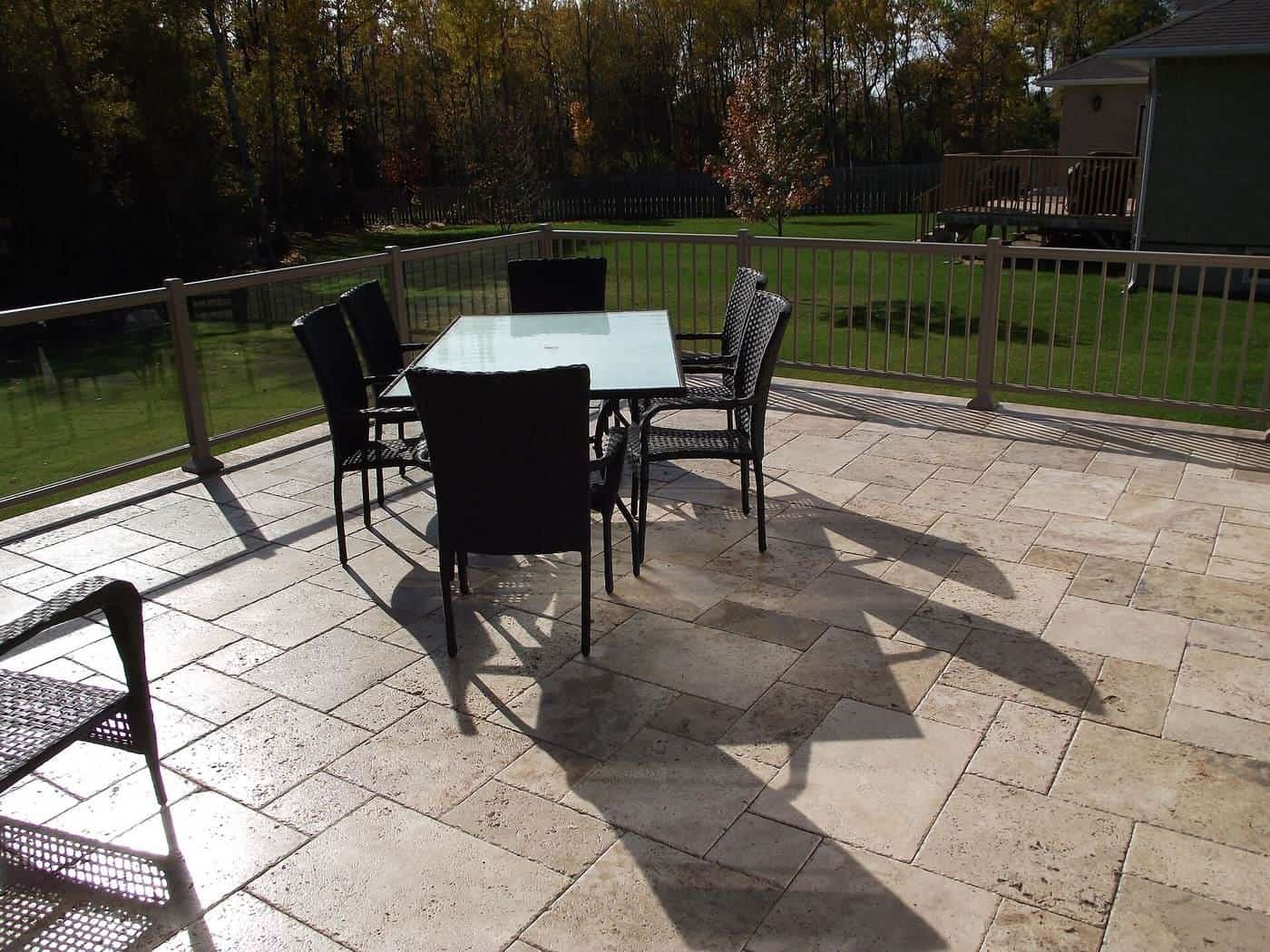
Salt water can contribute to corrosion of some metals, including some fence fittings, ladders, light fittings and barbecue equipment near the pool. It can also affect some porous stone, concrete and grout. To reduce problems:
- choose corrosion-resistant fittings, such as suitable grades of stainless steel;
- use paving materials suited to salt pools and seal them as recommended;
- rinse splash zones with fresh water;
- maintain correct water balance, as aggressive water can make problems worse.
See our guide to pavers, tiles and slip resistance for more on surrounds.
Draining and backwashing
Pool filters need backwashing or cleaning, and pools sometimes need partial draining. Salt and chlorine can damage plants, soil and waterways, so:
- check local rules, which may require discharge to sewer via an approved connection;
- don't backwash salt water onto lawns or garden beds unless advised it's suitable;
- consider reducing how often you need to drain by keeping water well balanced.
Which should you choose?
A salt chlorinator may suit you if you want less frequent chlorine handling, prefer the feel of salt water, and are happy to manage pH and maintain the cell. Manual chlorine may suit you if you prefer lower upfront costs, have a small pool or spa, or want to avoid salt near sensitive materials. Talk to your pool builder about which system suits your pool surface, equipment and surrounds.
Salt pool checklist
0 of 8 done
Ticks are saved in this browser only.
Questions to ask before switching
- Is my pool and equipment suitable for salt water, including heaters, ladders and surrounds?
- What size chlorinator does my pool volume need?
- What salt level does the manufacturer recommend?
- How often does the cell need cleaning, and when will it need replacing?
- What are the local rules for draining salt water and backwashing?
Get written quotes, and ask a licensed electrician to install any new electrical connections.
Common mistakes
- Assuming salt pools don't need pH testing.
- Adding salt without checking the current level.
- Letting calcium scale build up on the cell.
- Draining salt water onto gardens or into stormwater.
Living with a salt pool
Most owners find a salt pool easy to live with once a routine is in place. Rinse the surrounds, furniture and any metal fittings with fresh water now and then, check the salt and pH regularly, and inspect the cell each season for scale.
Key points
Salt pools are chlorine pools that make chlorine from salt by electrolysis. They contain far less salt than seawater. They can mean less chlorine handling, but you still need to test, manage rising pH, maintain the cell and protect metal fittings and surrounds from salt. Mineral and other systems exist, but most still rely on a residual sanitiser. Don't discharge pool water to stormwater; check local rules first.
Related guides
Read pool water chemistry basics, pool heating and running costs and pavers, tiles and slip resistance.
Frequently asked questions
Is a saltwater pool chlorine-free?
No. A saltwater chlorinator uses electrolysis to convert dissolved salt into chlorine, which sanitises the water. Salt pools are chlorine pools with on-site chlorine generation.
Is a salt pool as salty as the sea?
No. Salt pools are much less salty than seawater. Wikipedia notes typical salt pool levels are a small fraction of seawater's salinity. Check your chlorinator's manual for the recommended salt level.
Do salt pools need less maintenance?
Salt pools can reduce how often you add chlorine, but you still need to test water, manage pH (which often rises), maintain the salt cell and look after equipment and surrounds.
Can salt damage my pool area?
Salt can contribute to corrosion of some metals and deterioration of some stone, concrete and grout over time. Choose suitable materials, rinse surrounds and follow your equipment manufacturer's advice.
Can I drain pool water into the stormwater?
Generally you shouldn't. State environment protection authorities advise against discharging pool water, especially chlorinated or salt water, into stormwater drains. Check your council and water authority rules before draining or backwashing.
What are the disadvantages of a saltwater pool?
The main drawbacks are the upfront cost of a chlorinator, periodic replacement of the salt cell, possible corrosion or salt damage to some metals, stone and pavers if not sealed and rinsed, and a tendency for pH to drift upward, so you still need to test and balance the water regularly.
Should I shower after swimming in a saltwater pool?
It's a good idea. A quick rinse removes salt and the chlorine it produces, which helps skin and hair feel less dry and is kinder to swimwear. Showering before you swim also helps keep the water cleaner.
Sources and further reading
Facts on this page were checked against these primary and official sources. Conditions change — confirm before you travel or buy.
- Salt water chlorination — Wikipedia
- Swimming pool sanitation — Wikipedia
- Pools and spas — NSW Environment Protection Authority
- Stormwater pollution — EPA Victoria
- Electrolysis — Wikipedia