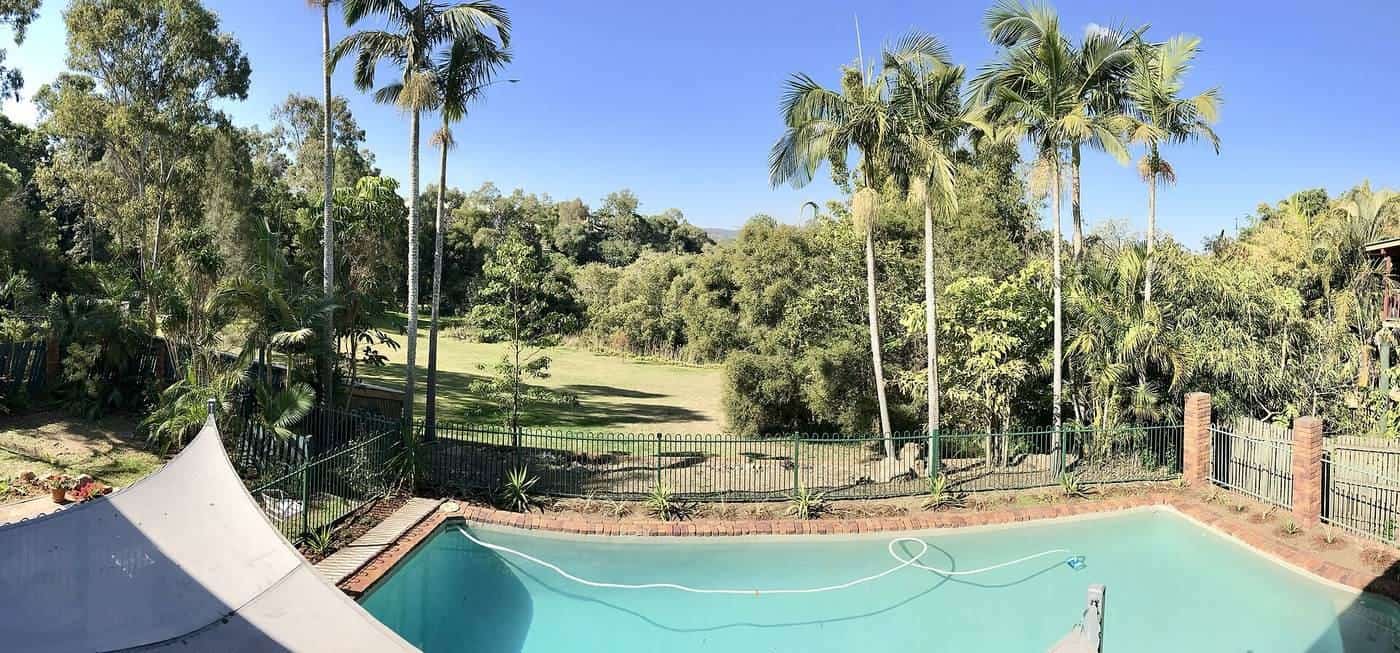
The deck around a pool is where you'll spend much of your time: drying off, sitting in the sun, watching the kids swim or hosting friends. It also lives a hard life. Pool decks face harsh Australian sun, constant splashing, chlorinated or salty water, wet bare feet and heavy foot traffic.
The two main board choices are natural timber and composite (wood-plastic or other engineered boards). Both can work well when chosen and installed properly. This guide compares them, explains durability classes, treated timber, heat and slip resistance, and covers the safety and approval questions that are unique to pool decks.
Timber decking
Hardwoods
Australian hardwoods are a traditional choice for pool decks. Durability is described under AS 5604, which assigns natural durability classes from Class 1 (most durable) to Class 4 (least durable) for above-ground and in-ground use. For a pool deck, look for:
- a high natural durability class for above-ground use;
- density and hardness suited to heavy foot traffic;
- good resistance to splitting and splintering;
- availability from responsibly managed sources, ideally with certification.
Hardwoods can be beautiful and long-lasting, but they need regular oiling or coating to keep their colour and reduce cracking, and they can splinter if neglected.
Treated pine
Preservative-treated pine is widely used for deck framing and sometimes for decking boards. Treated timber is labelled with a hazard class:
- H3 is for outdoor, above-ground use, exposed to weather.
- H4 and higher are for in-ground contact and more severe exposure.
Your subframe needs the right hazard level for its exposure. Always follow the supplier's guidance, and seal cut ends with a suitable preservative where recommended.
Class 1
Most durable timber
AS 5604 durability classes
H3
Above-ground treated timber
Outdoor, weather exposed
AS 4586
Slip resistance
Classification of surfaces
Composite decking
Composite boards combine materials such as wood fibre and plastic, or use other engineered formulations. Benefits often include:
- low maintenance, with no regular oiling;
- consistent colour and finish;
- resistance to rot and termites;
- no splinters, which is attractive for bare feet.
Things to weigh up:
- Heat. Some composites, particularly dark colours, can become very hot in direct sun.
- Expansion. Composites can expand and contract with temperature, so follow the manufacturer's spacing and fixing instructions closely.
- Slip resistance varies by product and surface texture.
- Cost is often higher upfront than some timbers, although maintenance costs can be lower.
- Warranty conditions, which may depend on correct installation and cleaning.
Timber vs composite at a glance
| Factor | Hardwood timber | Treated pine | Composite |
|---|---|---|---|
| Look | Natural grain, varies board to board | Natural, often stained | Uniform, many colours |
| Maintenance | Regular oiling or coating | Regular coating | Cleaning only |
| Splinters | Possible if neglected | Possible | Generally none |
| Heat underfoot | Varies with colour and coating | Varies | Can be high, especially dark colours |
| Lifespan | Long if maintained | Depends on treatment and care | Long, per warranty |
| Upfront cost | Medium to high | Lower | Medium to high |
Slip resistance
Wet decks are a slip hazard. AS 4586 is the Australian Standard for classifying the slip resistance of pedestrian surfaces. For pool surrounds, higher wet slip resistance classifications are commonly recommended. When comparing products:
- ask for test reports to AS 4586 for the specific product and finish;
- choose textured or grooved boards designed for wet areas;
- remember that coatings, algae and dirt can change slip resistance over time.
Pool safety and decks
A pool deck can affect the pool barrier. Decks, steps, planter boxes and built-in seats near the fence can create climbable objects or reduce the effective fence height. Before you design a deck:
- check the non-climbable zone requirements around your pool barrier;
- make sure deck levels don't reduce the barrier height below the minimum;
- keep gates clear so they can swing closed and latch freely;
- check whether your deck needs approval, especially if it's raised.
Our pool fencing guide explains the barrier basics.
Fixings and construction
- Stainless steel fixings are often recommended near pools, especially saltwater pools, because other metals can corrode.
- Ventilation under the deck helps boards dry out and reduces moisture problems.
- Board spacing allows drainage and movement. Follow the timber supplier's or manufacturer's guidance.
- Drainage should carry splash water away from the house and pool equipment.
- Edges and coping should be smooth and free of sharp edges or trip hazards.
Choosing a supplier and installer
Ask suppliers about durability class or treatment, slip resistance test results, sustainability certification and warranty terms. Ask installers about licences, insurance, experience with pool decks and how they will protect the pool barrier during construction. Get several written quotes that list materials, fixings and finishes.
Pool decking checklist
0 of 9 done
Ticks are saved in this browser only.
Questions to ask before you buy
Before choosing boards, ask your supplier or builder:
- What is the durability class or hazard class of this timber, and is it suitable for above-ground use beside a pool?
- Is there slip resistance test data for the board and finish when wet?
- How hot does it get in direct summer sun, particularly in darker colours?
- What does the warranty cover, and does it exclude chlorinated or salt water?
- What fixings are recommended near pools and salt water, and are hidden fixing systems available?
- What maintenance is needed each year to keep the warranty valid?
- Does the deck need approval, and how will it affect the pool barrier?
Get answers in writing where possible, and compare more than one quote.
Common mistakes
- Choosing dark composite boards without testing heat underfoot.
- Building a raised deck that reduces the effective height of the pool fence.
- Using ordinary steel screws that corrode near salt water.
- Skipping the end-grain sealer on cut timber, which shortens board life.
Key points
Hardwoods, treated pine and composites can all make good pool decks. Check the AS 5604 durability class for timber or the hazard class for treated pine, ask for AS 4586 slip resistance results, and consider heat underfoot, especially for dark composites. Use corrosion-resistant fixings, allow ventilation and drainage, and make sure the deck doesn't compromise your pool barrier. Check approval requirements before you build.
Related guides
Read pavers, tiles and slip resistance, pool deck maintenance and pool fencing rules.
Frequently asked questions
What is the best timber for a pool deck?
Dense, naturally durable hardwoods are popular for pool decks in Australia. Durability is described by classes under AS 5604, with Class 1 the most durable. Ask your supplier for the durability class and suitability for wet, above-ground use.
Is treated pine OK around a pool?
Treated pine is widely used for deck framing and some decking. Timber treated to the H3 hazard level is intended for outdoor, above-ground use, while H4 or higher is used for in-ground contact. Follow the supplier's guidance for your situation.
Does composite decking get hot?
Many composite boards, especially darker colours, can get hot in direct sun. Lighter colours and boards designed for heat reduction may help. Check the manufacturer's information and, if possible, feel samples in the sun.
Is composite decking slippery when wet?
Slip resistance varies between products. Ask for test results to AS 4586, the Australian Standard for slip resistance classification, and choose products suitable for wet barefoot areas.
Do I need approval to build a pool deck?
It depends on your state, the deck height and its relationship to the pool barrier. Decks near a pool fence can also create climbable zones. Check with your council or a building certifier before building.
Sources and further reading
Facts on this page were checked against these primary and official sources. Conditions change — confirm before you travel or buy.
- Timber durability (AS 5604) — WoodSolutions
- Timber preservation and hazard classes — WoodSolutions
- Slip resistance — Standards Australia
- Swimming pools and spas — Victorian Building Authority
- Composite lumber — Wikipedia