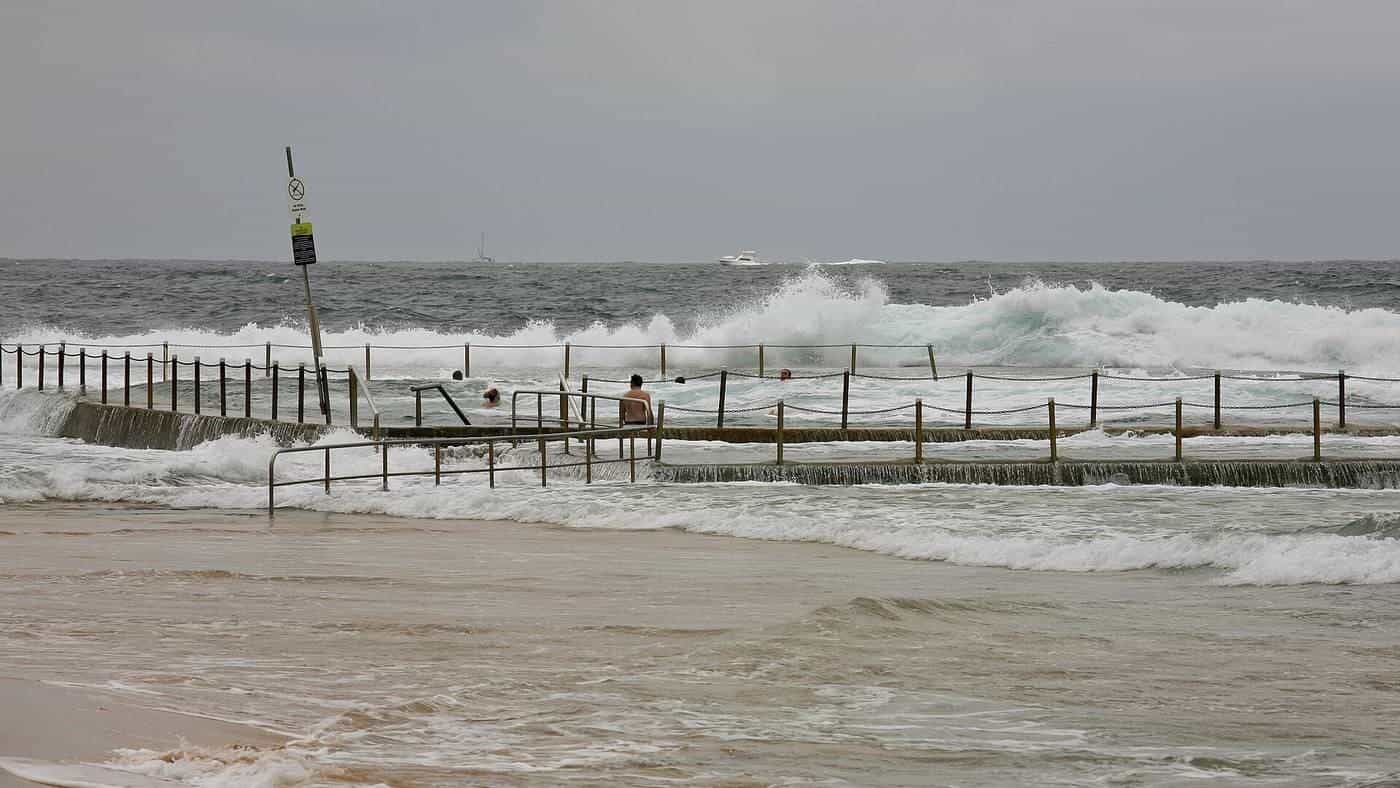
The deck or paving around a pool does more than look good. It's where people walk with wet feet, where children run (even when told not to), where you sit in the sun, and where splashes of chlorinated or salty water land every day. It also sits right next to your pool barrier, so poor design can create safety problems.
This section helps you choose materials that are safe, comfortable and durable, and keep them that way. It covers timber and composite decking, hard paving and tiles, slip resistance testing, heat underfoot, salt and chemicals, and a seasonal maintenance plan.
Guides in this section
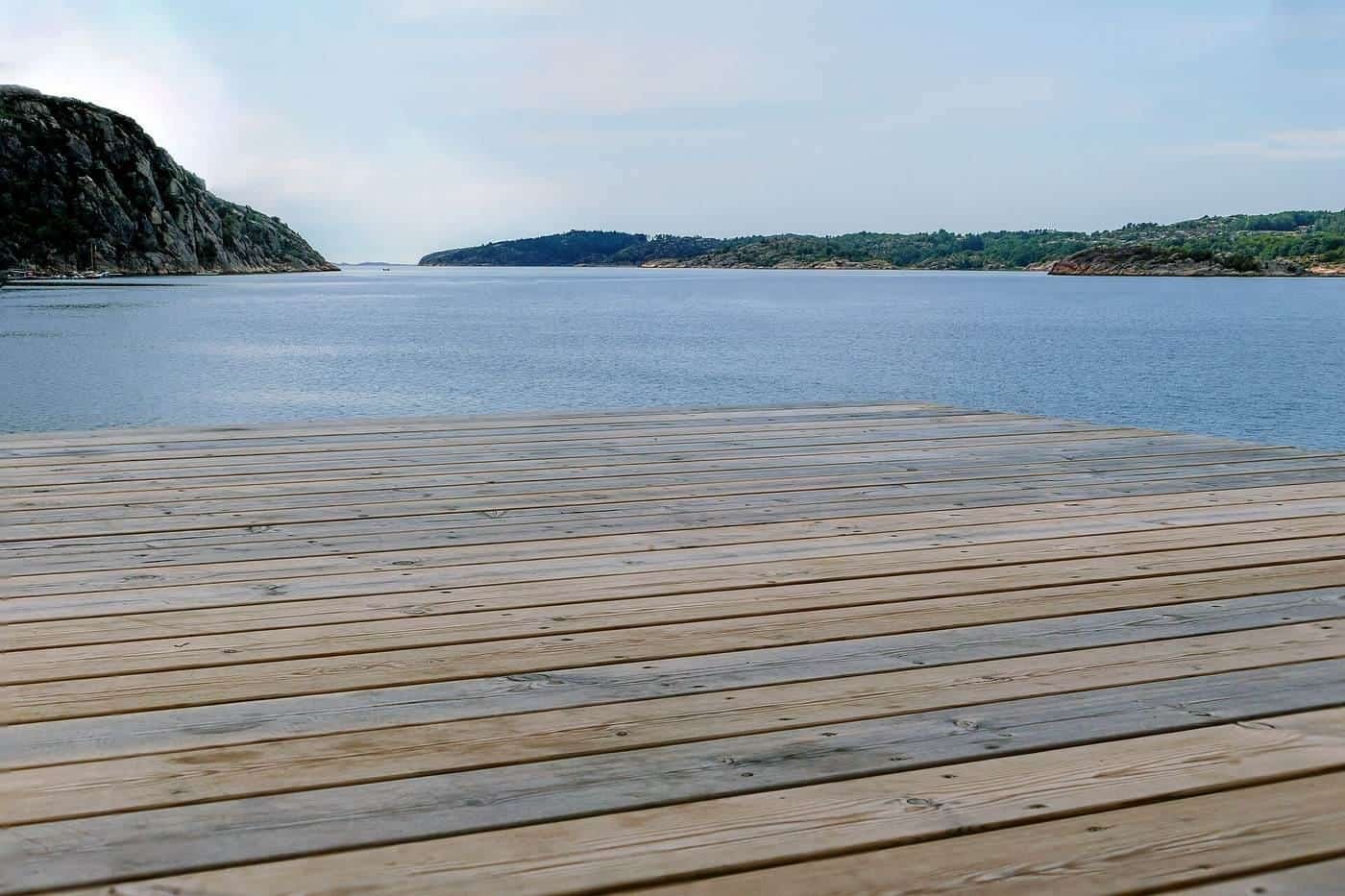
- Timber or composite decking Hardwood, treated pine and composite boards compared; AS 5604 durability classes and hazard classes; heat; slip resistance; fixings; approvals.
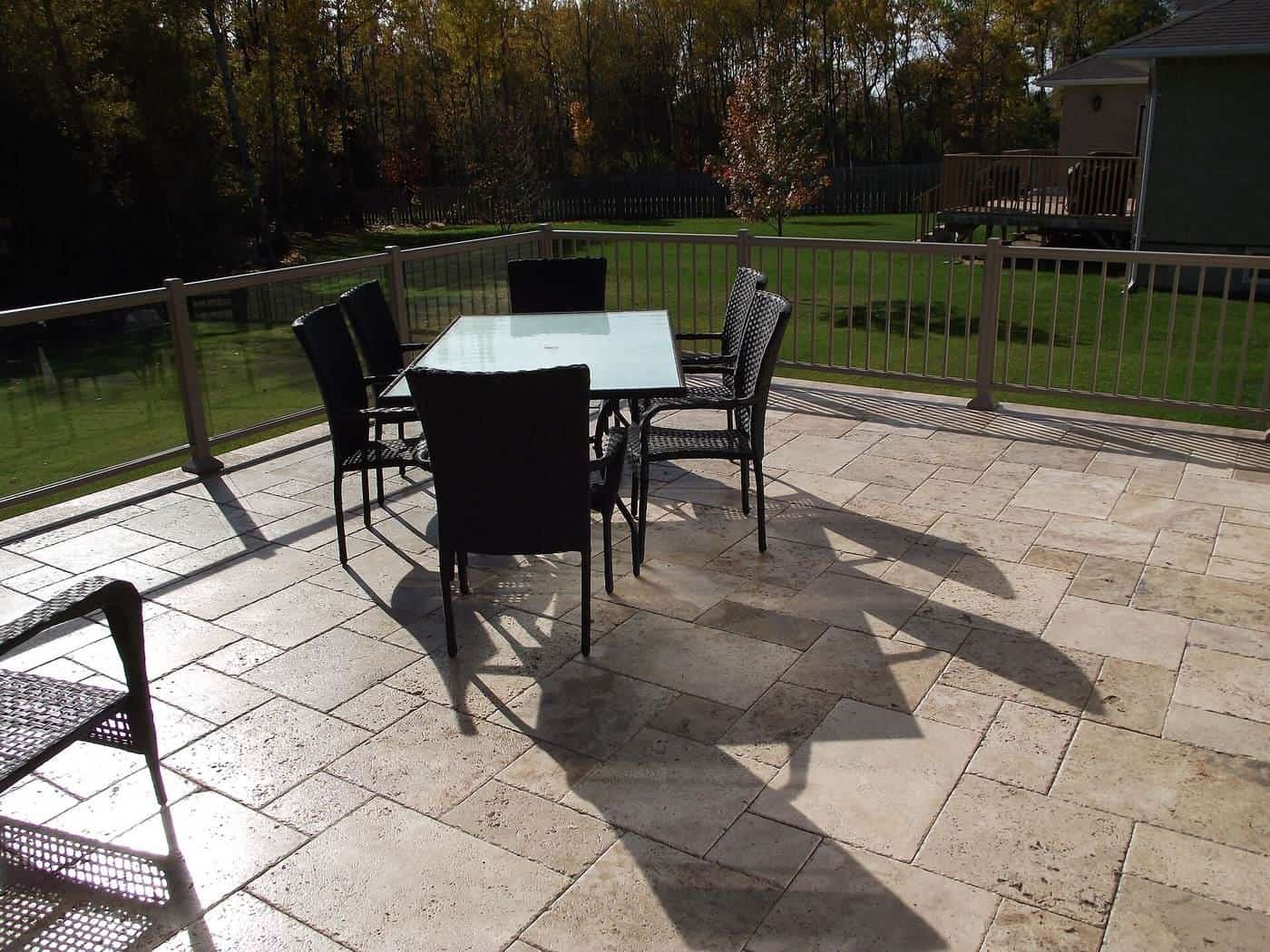
- Pavers, tiles and slip resistance Travertine, sandstone, bluestone, concrete and porcelain; AS 4586 P ratings; heat; salt; coping; sealing; drainage.
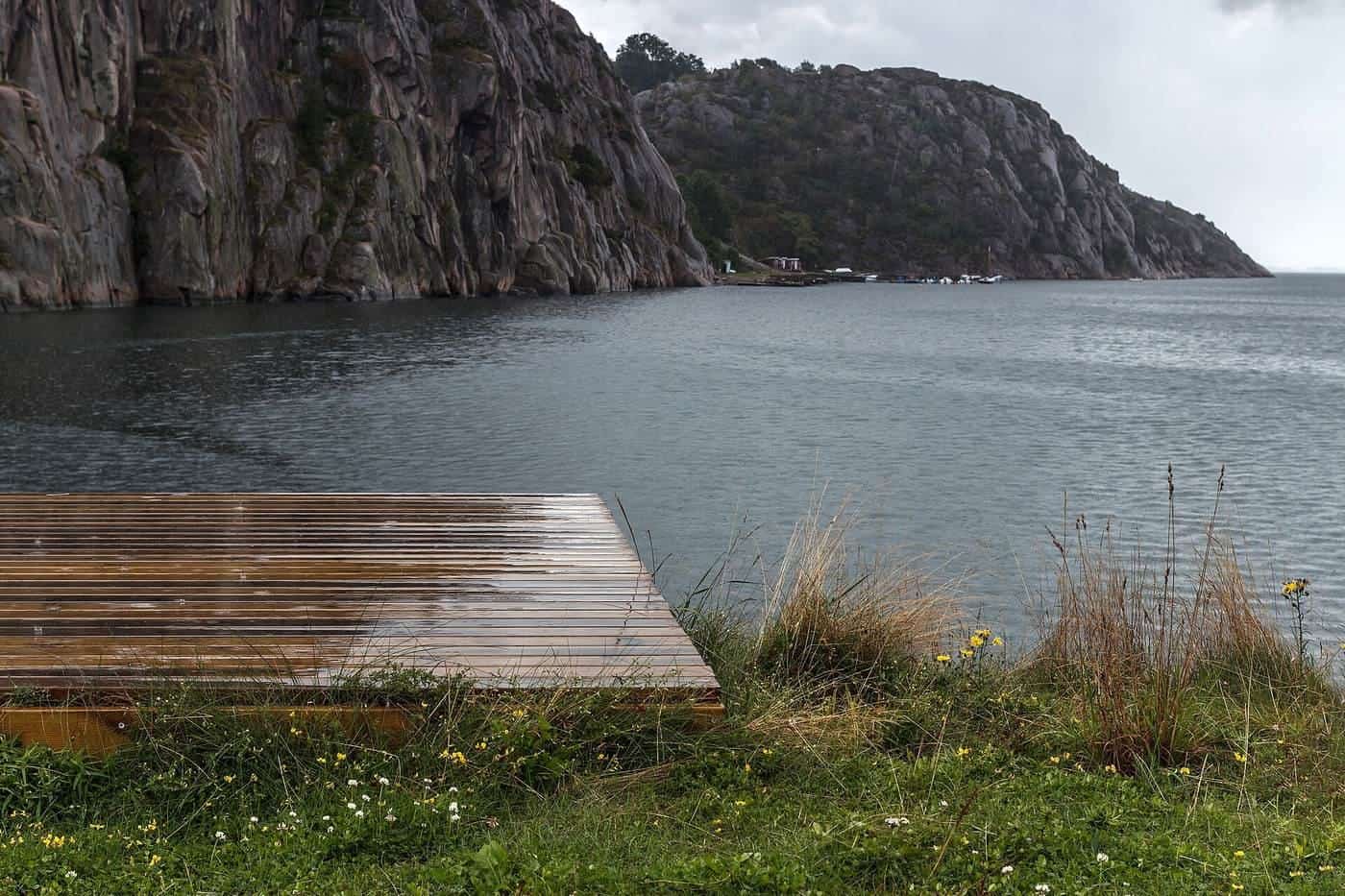
- Pool deck maintenance Weekly habits, cleaning and oiling timber, caring for composite and pavers, repairs, a seasonal plan and safety checks.
Four things that matter most
Grip
Wet surfaces cause slips. Choose products with suitable wet slip resistance tested to AS 4586, and keep them clean. Coatings, algae and sunscreen can make even good surfaces slippery.
Heat
Dark surfaces can get very hot in Australian summer sun. Lighter colours, shade and testing samples in the sun help keep surrounds comfortable for bare feet.
Durability
Pool areas face sun, water, chemicals and salt. Look at timber durability classes and hazard classes, composite warranties and paver suitability for salt pools. Use corrosion-resistant fixings near pools.
Barrier safety
Your surrounds must work with your pool barrier. Don't let decks, steps, planters, retaining walls or built-in seating reduce the barrier height or create climbable objects within the non-climbable zone. Keep gates free to swing closed and latch. Read our pool fencing guide.
AS 4586
Slip resistance
Ask for test results
AS 5604
Timber durability
Class 1 most durable
900 mm
Non-climbable zone
Outside the pool barrier
Planning a new surround
If you're building a new pool or renovating the area around an existing one:
- Check approvals with your council or certifier, especially for raised decks and changes near the barrier.
- Plan levels and drainage so water runs away from the house and pool equipment.
- Choose materials for grip, heat, salt resistance and maintenance.
- Plan shade with sails, pergolas or trees placed away from the fence.
- Keep the barrier compliant during and after construction, using temporary fencing if needed.
- Use licensed trades where required, and get written quotes.
Comparing the main options
| Option | Feel | Maintenance | Watch for |
|---|---|---|---|
| Hardwood decking | Warm, natural | Regular oiling | Splinters if neglected |
| Treated pine decking | Natural | Regular coating | Correct hazard class |
| Composite decking | Smooth, consistent | Cleaning | Heat in dark colours |
| Natural stone paving | Cool to warm, varies | Sealing, cleaning | Salt suitability, sealer grip |
| Concrete pavers | Varies | Cleaning, sealing | Slip rating, fading |
| Porcelain pavers | Dense, consistent | Cleaning | Choose external slip-rated finish |
Looking after what you have
Regular care prevents most problems: sweep and rinse weekly, especially around salt pools; deep clean once or twice a year; recoat timber when water stops beading; treat algae promptly; and replace loose fixings. Pair every maintenance session with a quick check of your pool barrier.
Common mistakes
- Choosing a surface by looks alone, without checking wet grip.
- Building raised decks or planters that reduce the effective fence height.
- Using indoor tiles outdoors.
- Applying glossy sealers that make surfaces slippery.
- Ignoring drainage and fall away from the house.
- Using fixings that corrode in salty air.
Who to talk to
- Your council or a building certifier about approvals for decks and changes near the pool barrier.
- A licensed builder or landscaper for design and construction.
- Your materials supplier for slip test results, durability information and warranty terms.
- A pool safety inspector if your new surround could affect barrier compliance.
A quick buying checklist
- Wet slip test results to AS 4586 for the exact product and finish.
- Heat underfoot tested with samples in the sun.
- Suitability for salt or chlorinated water.
- Fixings and sealers recommended for pools.
- Maintenance required to keep the warranty valid.
Shade and comfort
Shade makes surrounds safer and more comfortable on hot days. Shade sails, pergolas and umbrellas can protect both people and surfaces, but keep posts and trees away from the pool fence so they can't be used to climb it.
Key points
Choose pool surrounds for wet slip resistance first, then heat, durability and maintenance. Ask for AS 4586 test results, check timber durability or hazard classes, and use corrosion-resistant fixings. Plan drainage, shade and approvals, and make sure decks and garden features never compromise your pool barrier. Maintain surfaces regularly and keep them clean.
Guides in this section
Decks and surrounds
Timber or composite? Choosing pool decking
How to choose pool decking in Australia: hardwood, treated pine and composite boards compared, durability classes, heat, slip resistance, fixings and approvals.
Read · 5 min
Decks and surrounds
Pavers, tiles and slip resistance around pools
Choosing pavers, tiles and coping for an Australian pool surround: natural stone, concrete and porcelain, slip ratings, heat, salt, sealing and drainage.
Read · 5 min
Decks and surrounds
How to maintain a pool deck and surrounds
A seasonal maintenance plan for pool decks and surrounds: cleaning timber and composite boards, oiling, sealing, fixing trip hazards and checking the barrier.
Read · 5 min
Frequently asked questions
Which is better around a pool, decking or paving?
Both can work well. Timber and composite decking feel warm and natural underfoot, while paving is durable and easy to clean. Slip resistance, heat, salt resistance and maintenance matter more than the category.
How do I know if a surface is slip resistant?
Ask for test results to AS 4586, the Australian Standard for slip resistance classification, for the specific product and finish. Higher wet classifications indicate greater grip.
Can a deck affect my pool fence compliance?
Yes. Decks, steps, planters and retaining walls can reduce the effective height of a barrier or create climbable objects. Plan surrounds with the barrier rules in mind.
How often should I maintain my pool deck?
Sweep and rinse regularly, deep clean once or twice a year, recoat timber when water stops beading, and check the pool barrier monthly.
Do I need a permit for a pool deck?
It depends on your state, the deck height and its relationship to the house and pool barrier. Check with your council or a building certifier.
Sources and further reading
Facts on this page were checked against these primary and official sources. Conditions change — confirm before you travel or buy.
- Timber durability — WoodSolutions
- Standards Australia — Standards Australia
- Slips, trips and falls — Safe Work Australia
- Swimming pools and spas — Victorian Building Authority