Owning a pool brings ongoing costs: electricity for the pump and any heating, chemicals, water top-ups and maintenance. The good news is that some simple choices can reduce them substantially. The Australian Government's household energy advice points to pool pumps and heating as important areas to manage for pool owners.
This guide explains how covers, pumps, run times and heating options affect running costs, without guessing at typical bills, which vary too much between households, climates and energy plans. Use your own energy bills and equipment specifications to estimate costs, and get quotes from licensed installers for any upgrade.
Start with a pool cover
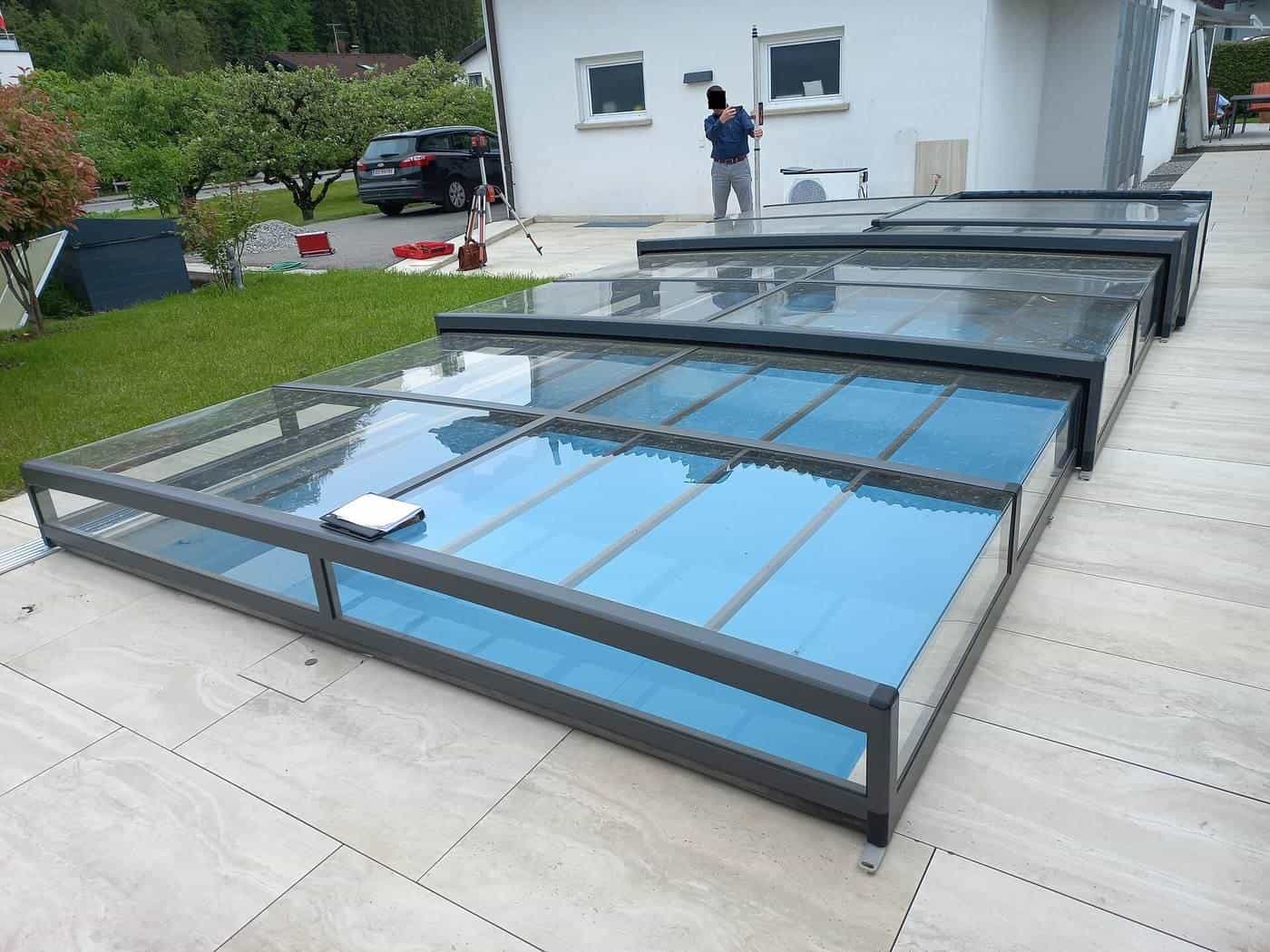
A pool cover is one of the simplest ways to cut running costs. Covers can:
- reduce evaporation, so you top up less water;
- retain heat overnight, especially important if you heat your pool;
- keep out leaves and debris, reducing cleaning and chemical demand;
- reduce chemical loss from sunlight and evaporation.
Types include bubble (solar) covers, thermal foam covers, automatic covers and enclosures. Covers must be removed fully before swimming. Some covers can trap a child, so follow the manufacturer's safety instructions and never rely on a cover as a safety barrier unless it is specifically designed and certified for that purpose where permitted.
Cover
Biggest simple saving
Less evaporation and heat loss
Stars
Pool pump label
Voluntary energy rating
Slower
Variable-speed pumps
Run longer at lower power
Pumps and filtration
The pump circulates water through the filter and any chlorinator or heater. It's often one of the bigger energy users in a home with a pool.
Pump types
- Single-speed pumps run at one speed, often higher than needed for everyday filtration.
- Two-speed pumps offer a high and a low speed.
- Variable-speed pumps can be set to many speeds.
Pump power use drops sharply as speed decreases, a relationship described by the pump affinity laws. That's why variable-speed pumps, run at a lower speed for longer, can use less energy for the same amount of filtration.
Energy rating labels
Australia has a voluntary energy rating label for swimming pool pumps. More stars mean greater efficiency. When replacing a pump, compare star ratings and choose a pump correctly sized for your pool and equipment.
Run times
Run the pump long enough to turn the water over and keep it clean, but not longer than needed. Use our pool calculator to estimate how long one turnover takes. In practice:
- run longer in summer and less in winter;
- consider running during daylight if you have rooftop solar, or during cheaper tariff periods if your plan has them;
- keep baskets and filters clean so the pump works efficiently.
Heating options
Heating extends your swimming season but can be a major cost. The main options are:
| System | How it works | Strengths | Considerations |
|---|---|---|---|
| Solar pool heating | Pool water pumped through collectors, usually on the roof | Low running costs in sunny areas | Needs suitable roof space and sun; slower to heat |
| Heat pump | Extracts heat from the air using electricity | Efficient, works in mild weather | Less effective in cold weather; electricity cost |
| Gas heater | Burns natural gas or LPG to heat water | Heats quickly, works in any weather | Can be expensive to run; gas supply needed |
| Electric resistance | Heats water with an electric element | Simple, small spas | Usually costly for larger pools |
The best system depends on your climate, pool size, how often and when you swim, and your energy prices. Many owners combine a cover with solar or a heat pump.
Water use
Pools lose water through evaporation, splash-out, backwashing and leaks. To save water:
- use a cover;
- reduce splash-out by keeping the water level appropriate;
- backwash only as needed, as your filter manufacturer advises;
- fix leaks promptly (a bucket test can help identify evaporation versus leaks);
- check local water restrictions, which may affect filling and topping up pools.
Chemicals and running costs
Balanced water reduces chemical waste. When water is out of balance, chlorine works less effectively and you may use more product. Testing regularly and adjusting little and often is usually cheaper than fixing a green pool. See our water chemistry guide.
Upgrading equipment
When an old pump, heater or filter needs replacing, it's a good time to consider more efficient options. Before you buy:
- check energy ratings and running cost estimates from manufacturers;
- make sure equipment is sized for your pool volume and plumbing;
- ask about noise levels if equipment is near bedrooms or neighbours;
- use licensed electricians, plumbers and gas fitters for installation;
- check whether any rebates or incentives apply in your state at the time.
Lower running costs checklist
0 of 10 done
Ticks are saved in this browser only.
Questions to ask a pool professional
When you're replacing equipment or considering heating, ask:
- What size pump does my pool actually need, based on its volume and filter?
- Is a variable-speed pump suitable, and what is its energy star rating?
- What run times do you recommend in summer and winter?
- Which heating option suits my climate and how I use the pool?
- How much roof area or space does a solar or heat pump system need?
- What cover would work for my pool, and is a roller practical?
- What servicing does the equipment need, and who can do it?
Ask for written quotes that list the equipment model, warranty terms and installation details, and use licensed electricians, plumbers and gas fitters.
Common mistakes
- Heating an uncovered pool, which lets much of the heat escape.
- Running the pump for the same long hours all year.
- Buying an oversized pump that uses more energy than needed.
Key points
A pool cover is the simplest way to reduce evaporation, heat loss and debris. Efficient, correctly sized pumps, particularly variable-speed pumps run at lower speeds, can cut energy use, and Australia has a voluntary energy rating label for pool pumps. Set run times by season, choose heating that suits your climate and swimming habits, keep water balanced and fix leaks. Use your own bills and specifications to estimate costs.
Related guides
Read pool water chemistry basics, saltwater versus chlorine pools and pool deck maintenance.
Frequently asked questions
What is the cheapest way to heat a pool?
It depends on your climate, pool size, how often you swim and your energy prices. Solar pool heating has low running costs where you have good sun and roof space, heat pumps can be efficient, and gas heats quickly but can cost more to run. A pool cover reduces heat loss for any system.
Do pool covers really help?
Yes. Pool covers reduce evaporation, help retain heat and keep out debris, which can reduce water top-ups, chemical use and heating costs. Remove covers fully before swimming and follow safety instructions.
How long should I run my pool pump?
Long enough to circulate and filter the water effectively, which depends on your pool volume, pump flow, filter, season and bather load. Our pool calculator estimates turnover time. Ask your pool professional for a recommended run time.
Are variable-speed pumps worth it?
Variable-speed pumps can use less energy by running at lower speeds for longer, because pump power use drops sharply at lower speeds. Whether they pay off depends on your usage and energy prices.
Is there an energy rating for pool pumps?
Yes. Australia has a voluntary energy rating labelling program for swimming pool pumps. More stars indicate greater energy efficiency. Check the Energy Rating website.
Sources and further reading
Facts on this page were checked against these primary and official sources. Conditions change — confirm before you travel or buy.
- Pool pumps — Energy Rating (Australian Government)
- Swimming pools — energy.gov.au
- Solar water heating — Wikipedia
- Heat pump — Wikipedia
- Affinity laws — Wikipedia